There’s something rather special about exploring the French Riviera by car. One minute you’re beside the Mediterranean, the next you’re winding through a hillside village with shutters, stone lanes and views that make you want to pull over for a photograph. The trick is choosing the right road rather than simply following the quickest route on your sat nav.
This guide brings together ten scenic drives across the Côte d’Azur, from the famous corniche roads east of Nice to the red cliffs of the Estérel and the perfume country around Grasse. Use it to compare routes, plan stops and decide which drives fit your holiday. The suggested time allowances include sightseeing and are planning estimates, not live traffic predictions.
🚗 Which French Riviera scenic drive is best?
For dramatic coastal scenery, choose the Corniche d’Or between Cannes and Saint-Raphaël. For a first visit combining sea views and hilltop villages, take the Moyenne Corniche from Nice towards Èze and Monaco. For an easy introduction, the coastal drive from Nice to Antibes is a lovely starting point.
- Best for coastal views: Corniche d’Or.
- Best for dramatic panoramas: Grande Corniche.
- Best for villages: Antibes to Gourdon and onwards to Grasse.
- Best for a relaxed morning: Antibes to Cannes via Juan-les-Pins.
- Best for photography: Èze, Cap Ferrat and the Estérel.
📍 French Riviera driving map
Explore the region on the map below, then use the individual Google Maps driving directions under each route to plan your journey.
🌊 1. Nice to Antibes – the easy coastal escape
Start near the Promenade des Anglais, head west through the coastal area around Saint-Laurent-du-Var and Cagnes-sur-Mer, then continue towards Antibes. Choose local coastal roads where practical rather than the motorway. This is a good first drive after collecting a hire car because it combines urban seafronts, beaches and a rewarding old-town finish.
Stop for: Cros-de-Cagnes, Port Vauban and the lanes of Vieil Antibes. Park outside the old town and explore on foot rather than trying to squeeze through historic streets.
Allow: Half a day with coffee and sightseeing. 📍 Open driving route in Google Maps.
Read our complete Nice to Antibes driving guide for a closer look at the journey and places to explore.
🏖️ 2. Antibes to Cannes via Juan-les-Pins
This short coastal hop is ideal when you want to combine two Riviera towns without spending the entire day behind the wheel. Follow the coastal corridor through Juan-les-Pins and Golfe-Juan, then head towards Cannes. Make time for a walk along La Croisette, but also explore Le Suquet, where the streets climb above the harbour.
Top tip: If you only want to visit central Cannes, the train may be simpler than driving, especially during festivals or busy summer weekends. Choose the car when you want to stop at beaches along the way.
Allow: Half a day or a full day if visiting both towns. 📍 Open driving route in Google Maps.
Compare transport options in our Antibes to Cannes travel guide.
🌴 3. Nice to Saint-Jean-Cap-Ferrat – the Basse Corniche
The lower corniche is the route for travellers who prefer colourful harbours and glimpses of the water to high mountain roads. Head east from Nice towards Villefranche-sur-Mer and Beaulieu-sur-Mer, then turn towards Saint-Jean-Cap-Ferrat. The peninsula makes a pleasant place to leave the car and spend time walking.
Don’t miss: Villefranche’s harbour, the waterfront at Beaulieu and the gardens of Villa Ephrussi de Rothschild. Check opening times directly before planning a villa visit.
Allow: Half a day to a full day. 📍 Open driving route in Google Maps. See the local tourist office’s access guide.
🏰 4. Nice to Monaco via Èze – the Moyenne Corniche
If you want that classic Riviera combination of cliffside roads, terracotta rooftops and blue sea, this is a particularly good choice. The middle corniche sits above the coast and passes the approach to Èze village. Stop in Èze for its medieval lanes and elevated views before continuing towards Monaco.
Photography tip: Early mornings are often quieter. Use designated parking and viewpoints; never stop on a bend or narrow road just to capture a picture. Monaco is better explored on foot after parking.
Allow: A full day with stops. 📍 Open driving route in Google Maps.
⛰️ 5. Nice to Menton via the Grande Corniche
The highest of the three corniche roads gives the Riviera a very different character. Rather than hugging the beaches, the route rises inland, with sweeping panoramas and access to the area around La Turbie. On a clear day, the contrast between the Mediterranean and the surrounding hills is a highlight.
Stop for: La Turbie, a safe viewpoint and Menton’s old town. The road is winding, so allow extra time and avoid rushing. If visibility is poor or you dislike heights, the lower corniche is a more comfortable alternative.
Allow: Most of a day. 📍 Open driving route in Google Maps. Compare all three roads in the Nice tourist office corniches guide.
🧡 6. Cannes to Saint-Raphaël – the Corniche d’Or
The red volcanic landscape of the Estérel is a refreshing change from the polished boulevards of Cannes. Follow the coastal road towards Théoule-sur-Mer, Le Trayas and Agay before reaching Saint-Raphaël. The official Estérel tourist office describes a coastal stretch of roughly 30 kilometres, characterised by red rock and small coves.
Top pick: Pause near Agay for a beach walk, or choose an official viewpoint overlooking the rocky coastline. Bring water and comfortable shoes if you plan to walk. Heat, wildfire restrictions and road conditions can affect access to natural areas.
Allow: Half a day to a full day. 📍 Open driving route in Google Maps. Read the official Corniche d’Or guide.
🎨 7. Antibes to Mougins – art and village life
Leave the busy coast behind and make your way towards Mougins, a hilltop destination with narrow lanes and artistic associations. This is less about dramatic sea views and more about changing pace. Spend time wandering the old village, looking at galleries and enjoying a leisurely lunch.
Foodie tip: If you prefer plant-based food, check restaurant menus before travelling; small villages may offer fewer choices than Nice or Cannes. Reserve ahead if a particular restaurant is important to your day.

Allow: Half a day. 📍 Open driving route in Google Maps.
Explore our Antibes to Mougins guide and Mougins village guide.
🪟 8. Cannes to Biot – craft and character
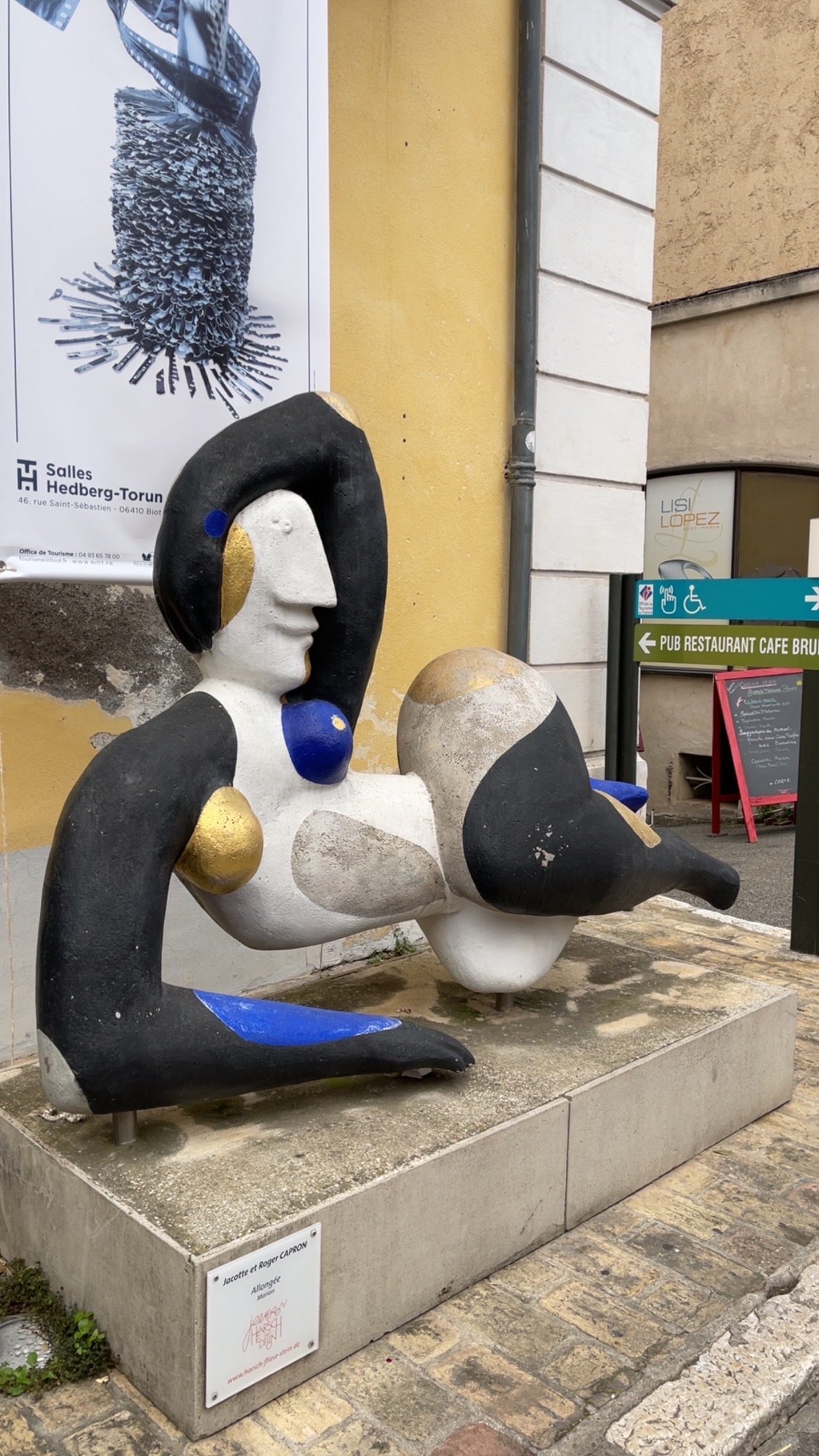
Biot is a worthwhile inland detour for anyone interested in traditional crafts, especially glassmaking. The old village is compact and rewarding to explore on foot. Combine its stone streets with a visit to a glass studio, checking demonstration times before you go.
Pro tip: Plan the visit as a break from the beach rather than trying to squeeze in too many villages. Allow time for parking, walking and a café stop.
Allow: Half a day. 📍 Open driving route in Google Maps.
Our Cannes to Biot driving guide covers the destination in more detail.
🌄 9. Antibes to Gourdon – mountains above the Mediterranean
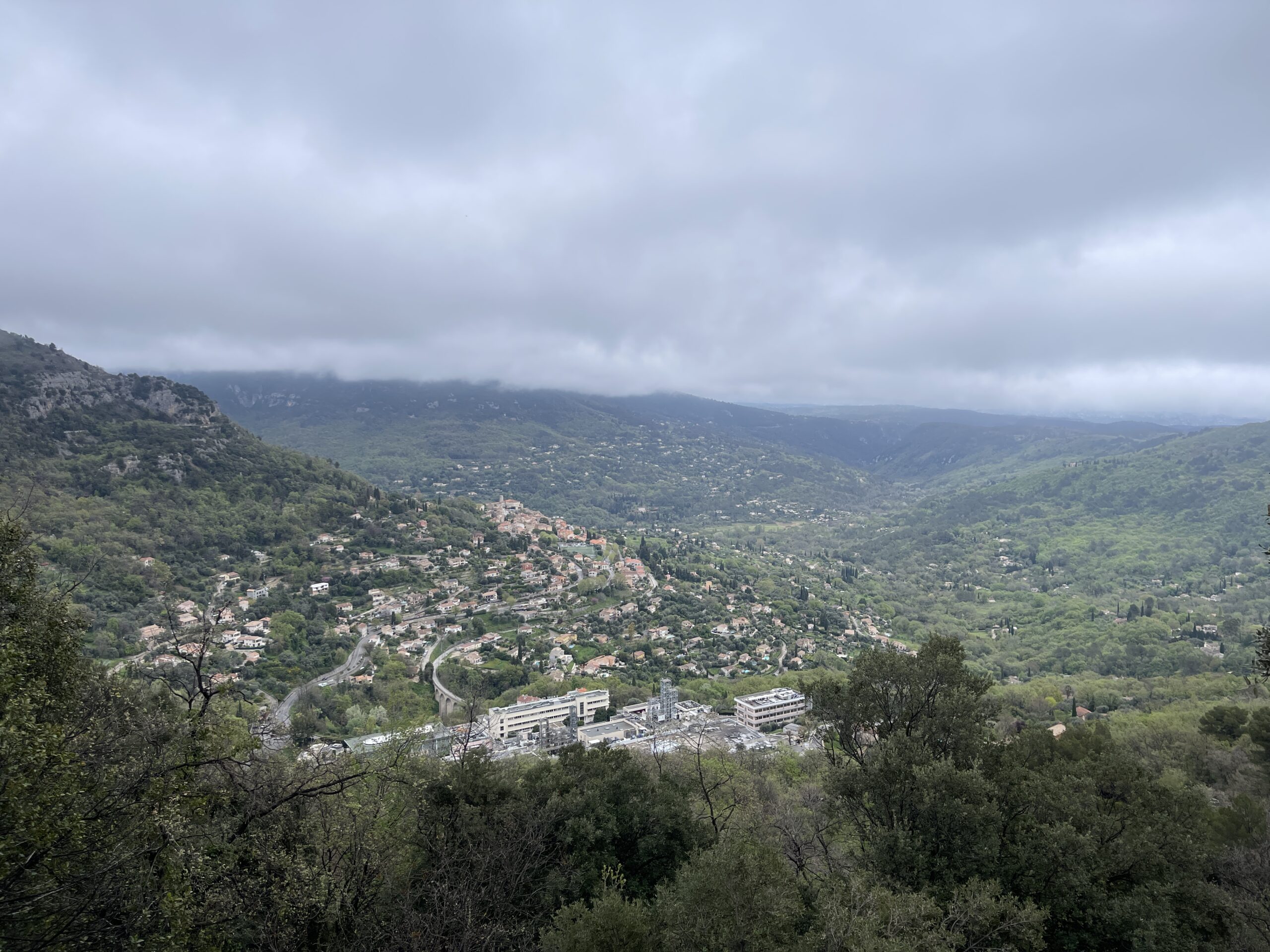
Head inland towards the hills and the area around the Gorges du Loup before climbing to Gourdon. The change in landscape is the attraction: wooded slopes, rocky terrain and a perched village with wide views towards the coast. This route rewards a slower, more deliberate driving style.
Pro tip: Check local road access after storms, use proper car parks and avoid narrow roadside stops. Allow extra time for bends and cyclists. For walking ideas, consult the official Gorges du Loup guide.
Allow: Half a day to a full day. 📍 Open driving route in Google Maps.
Read our Antibes to Gourdon scenic drive for more village details.
🌸 10. Gourdon to Grasse – a slow Provençal escape
Continue from Gourdon towards Grasse for a day centred on perfume, local heritage and quieter inland landscapes. Grasse makes an enjoyable contrast to the seaside resorts, particularly if you want to visit a perfumery or explore historic streets when the weather is less suited to beach activities.
Top pick: Plan a perfume museum or factory visit and check whether advance booking is needed. Combine it with lunch and a walk rather than treating Grasse as a quick photo stop.
Allow: Half a day, or a full day when combined with Gourdon. 📍 Open driving route in Google Maps.
Continue with our Gourdon to Grasse guide and rainy-day Grasse travel guide.
🗓️ How to combine the drives into a three-day road trip
- Day 1 – Western coast: Nice to Antibes, then Juan-les-Pins and Cannes. Spend more time in one town if parking or traffic is busy.
- Day 2 – Eastern coast: Villefranche and Cap Ferrat, then Èze and Monaco if time allows. Choose one corniche for the return rather than trying to cover every road.
- Day 3 – Inland villages: Gourdon and Grasse, with Mougins as an optional alternative stop. Save the Estérel for a separate day if you can.
For a longer holiday, see our French Riviera and Monaco road-trip itinerary.
💡 Practical driving tips for the Côte d’Azur
- Hire car: A compact car is often easier in village lanes and multi-storey car parks. Confirm insurance, excess and cross-border terms if visiting Monaco.
- Parking: Use signed public car parks and check local tariffs before leaving the vehicle. Avoid driving into pedestrian areas.
- Tolls: The A8 has tolled sections; local scenic alternatives can be slower. Check the route before setting off.
- Low-emission zones: Rules depend on location and vehicle type. Consult the current Nice metropolitan guidance and French government guidance before travel.
- Best season: Spring and early autumn are appealing for sightseeing, while summer can bring heavy traffic. Winter offers quieter days but shorter daylight and variable weather.
- Navigation: Use the map links as suggested waypoints, not guaranteed scenic routing. Check the selected roads and current closures before departure.
❓ Frequently Asked Questions About Driving the French Riviera
Planning a Côte d’Azur road trip? Here are practical answers to common questions about scenic routes, driving, parking, transport and choosing where to stay.
What is the most scenic drive on the French Riviera?
The Corniche d’Or between Cannes and Saint-Raphaël is a particularly scenic choice, with red volcanic cliffs, Mediterranean views and small coastal coves. The Moyenne Corniche between Nice and Èze is another excellent option for combining panoramic views with historic villages.
Is it worth renting a car on the French Riviera?
Yes, especially if you want to visit inland villages such as Gourdon, Mougins and Biot or stop at viewpoints along the way. For journeys between major coastal towns, regional trains may be more convenient and avoid parking costs.
Which of the three Corniche roads is the most scenic?
The Moyenne Corniche is an excellent all-round choice for views and visiting Èze. The Grande Corniche offers higher panoramas, while the Basse Corniche is better for exploring coastal towns and harbours.
Can you drive from Nice to Monaco along the coast?
Yes. Follow the Basse Corniche for a coastal journey through the area around Villefranche-sur-Mer and Beaulieu-sur-Mer towards Monaco. Alternatively, choose the Moyenne Corniche if you want to visit Èze village along the way.
Can you drive from Nice to Antibes without using the motorway?
Yes. You can choose local roads via Saint-Laurent-du-Var and Cagnes-sur-Mer instead of the A8 motorway. Allow extra time for traffic and urban junctions, particularly during summer, and check your navigation route before departing.
Is it better to drive or take the train from Antibes to Cannes?
The train is generally the simpler option for a direct town-centre visit. Driving is worthwhile if you want to stop at Juan-les-Pins or Golfe-Juan along the way, but allow time for traffic and parking.
Can you explore the French Riviera without a car?
Yes. Regional trains connect major coastal destinations, including Nice, Antibes, Cannes and Monaco. Buses can help you reach some inland villages, although a car gives you more flexibility when visiting several rural locations in one day.
How many days do you need for a French Riviera road trip?
Three to five days is a useful starting point for exploring the coastline and a selection of inland villages. A week gives you more time for relaxed stops, photography, beach visits and exploring towns without rushing.
What is the best time of year to drive the French Riviera?
Spring and early autumn are attractive choices for sightseeing and scenic drives, with generally milder conditions than peak summer. Check weather forecasts and road restrictions before travelling, particularly when heading inland or into natural areas.
Is parking difficult on the French Riviera?
Parking can be challenging in busy coastal towns and small historic villages, especially during festivals and summer weekends. Use designated public car parks, check their tariffs and height restrictions, and explore pedestrianised old towns on foot.
Are there toll roads on the French Riviera?
Yes, sections of the A8 motorway are tolled. Local roads can offer scenic alternatives, but they may take longer. Compare the route options before departure and check current toll prices if you plan to use the motorway.
Which French Riviera villages are worth visiting by car?
Èze, Gourdon, Mougins, Biot and Saint-Paul-de-Vence are excellent options for travellers interested in historic streets, crafts, art and hillside views. Choose a small number of villages each day to allow time for parking and exploring on foot.
Are French Riviera scenic roads suitable for nervous drivers?
The lower coastal roads may feel more comfortable than exposed hillside routes with tight bends. Drive in daylight, allow plenty of time and use designated viewpoints for stops. Consider travelling by train or bus if mountain driving makes you uncomfortable.
Can you drive the French Riviera in one day?
You can explore one part of the French Riviera in a day, but covering the entire coastline and inland villages would be rushed. Choose a western coastal drive, an eastern corniche route or an inland village itinerary instead.
Where should you stay for a French Riviera road trip?
Nice is a practical base for accessing the eastern coast and the airport, while Antibes or Cannes can be convenient for exploring the western Riviera and nearby inland villages. Choose accommodation with suitable parking if you are travelling by car.
🌞 Final thoughts
The beauty of the French Riviera is that the journey can be as rewarding as the destination. Choose a few stops, leave time for a proper coffee and enjoy the scenery rather than chasing a long checklist. Whether you prefer a coastal drive or a quiet hilltop village, there is a route here to suit your pace.
