Discover six distinctive London escapes, from canal walks and rooftop gardens to historic museums and botanical collections.
Leake Street Arches — Waterloo
The railway arches near Waterloo are known for changing street art. The tunnel provides a public route with an evolving collection of painted walls; individual artworks may disappear. Consult Leake Street Arches for visitor and event information. Respect other visitors and the site’s rules about painting. Google Maps
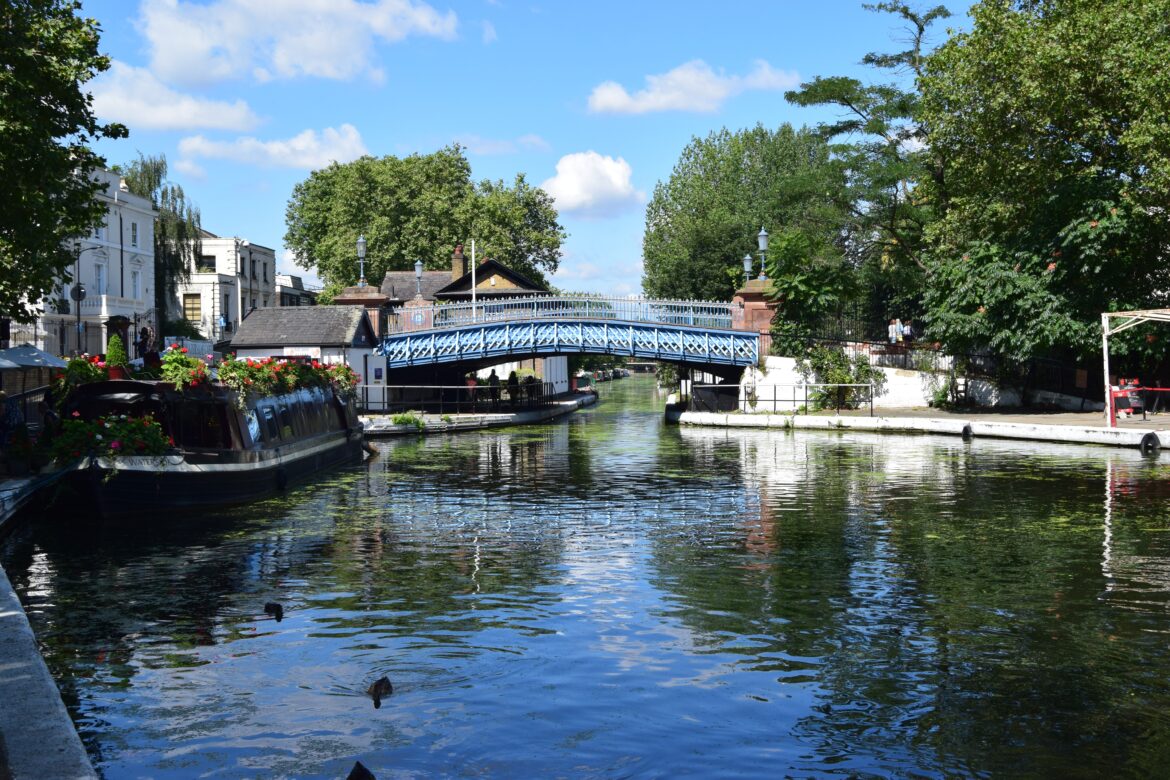
Little Venice — Paddington
The canal basin near Warwick Avenue offers waterside paths, narrowboats and a contrasting pace to central shopping streets. Explore the towpath towards Paddington, checking local signs and sharing the path considerately. The Canal & River Trust provides information about waterways and visiting responsibly. Google Maps
The Garden at 120 — City of London
This rooftop garden at 120 Fenchurch Street offers elevated views of the City. The public garden is free, subject to capacity, security procedures and opening arrangements. Weather and private events can affect access; check the official website before arriving. Google Maps
Sir John Soane’s Museum — Holborn
Explore the former home of architect Sir John Soane at 13 Lincoln’s Inn Fields, where rooms display architectural objects, paintings and antiquities in an unusual domestic setting. General admission is free, but the compact rooms may have access restrictions. Check the museum website for opening and visitor guidance. Google Maps
Chelsea Physic Garden — Chelsea
At 66 Royal Hospital Road, this historic walled botanical garden displays plants with medicinal, edible and other uses. Unlike many national museum collections, it generally charges admission. Check its official visitor page for tickets and seasonal opening arrangements. Google Maps
Christchurch Greyfriars Church Garden — City of London
The garden near Newgate Street occupies part of the ruins of a church damaged during the Second World War. Its planting reflects the layout of the former building and offers a small place to rest amid the City streets. Check public access information through the City of London. Google Maps
Make the most of your visit
These are distinctive alternatives to the most famous attractions, not genuinely undiscovered places. Combine nearby sites rather than rushing across London. Consult Visit London’s hidden gems guide and check opening arrangements, weather and access before travelling.
Combine street art with a South Bank walk
Leake Street Arches can be included in a wider visit around Waterloo and the South Bank. Allow time to look at the changing artwork rather than travelling specifically to see a mural from an older photograph. The nature of the space means that individual works may be painted over. Follow the site’s rules and be considerate towards people using the tunnel as a route. Afterwards, you might explore the nearby riverside public spaces, depending on the weather and your interests. Check current pedestrian access and the route back to your station. Visitors interested in photography should avoid obstructing other people and respect any applicable restrictions. The appeal of this stop is the contrast between a busy railway environment and a changing creative space. It can suit a short visit without requiring an entire day of planned activities.
Enjoy Little Venice at a relaxed pace
The waterways around Little Venice offer a different experience from London’s central shopping and museum districts. Begin by checking a suitable access point near your chosen station and decide how far you want to walk. Towpaths can be narrow or uneven in places, and different users share the available space. Follow local signs and take care near the water, particularly when travelling with children. You may prefer a brief stroll around the basin or a longer walk towards Paddington, depending on the conditions and your mobility. Narrowboats and waterside buildings contribute to the character of the area, but the towpath is also part of a working waterway. Respect private spaces and avoid assuming that all boats or moorings are visitor attractions. A waterside visit can offer an enjoyable change of pace when included alongside nearby activities rather than squeezed between distant sightseeing appointments.
See the City from a rooftop and at street level
The Garden at 120 and Christchurch Greyfriars Church Garden can form part of a visit focused on the City of London’s contrasting architecture and public spaces. The rooftop offers an elevated perspective when access and weather permit, while the church garden provides a smaller space at street level with a historical connection to the former building. Check the official information for both locations before planning a visit. Rooftop access may be affected by capacity, events or operational arrangements, and a free attraction is not necessarily available at every hour. Allow time for the walk between the sites and observe the changing streetscape rather than treating the journey solely as a transfer. Consider adding another nearby public space or historic building if it is accessible on your chosen day. Grouping attractions in the same district helps reduce unnecessary travel and makes it easier to adapt your plans.
Make time for Sir John Soane’s Museum
Sir John Soane’s former home offers an experience distinct from visiting a large national gallery. Its collection is arranged within a domestic architectural setting, where the relationship between the rooms and the objects contributes to the visit. Look at the museum’s own visitor guidance before arriving, especially if you have accessibility requirements or are carrying bags. Historic buildings may have limitations that differ from those of purpose-built modern institutions. Allow enough time to appreciate the arrangement of the rooms rather than rushing through them. Check rules about photography and be considerate of other visitors in compact spaces. The surrounding Holborn area can be incorporated into a wider walk if you want to explore more of central London. This stop is particularly relevant for people interested in architecture, collecting and the way historical interiors can communicate an individual’s interests.
Plan a botanical visit to Chelsea Physic Garden
Chelsea Physic Garden provides an opportunity to explore plants within a historic walled garden rather than a large open park. The appearance and features of the living collection vary with the season. Look at the current visitor information and any available exhibition or event programme when choosing your date. Admission arrangements differ from the free public spaces mentioned elsewhere in this guide, so include the actual ticket cost in your plans. Visitors with particular interests in medicinal, edible or other plant uses can focus on the areas relevant to those subjects. Do not handle or consume plants without permission. Allow time to read interpretation material and appreciate the setting, and check accessibility information if needed. A garden visit is best planned according to the conditions and interests of your group, rather than relying on a particular plant being visible in bloom.
Put together a flexible hidden-gems itinerary
The six locations are distributed across several parts of London, so consider visiting them over more than one day. Waterloo and the South Bank work as one geographical focus, while the City locations can be grouped for another outing. Little Venice, Holborn and Chelsea offer different possibilities that can be combined with other nearby plans. Use TfL’s journey planner to compare actual routes and identify any relevant access limitations. Check opening arrangements and the weather on the intended date, and keep an indoor alternative in mind when planning outdoor stops. Allow time for refreshments and ordinary travel rather than booking activities immediately after one another. These destinations are well-established visitor locations rather than undiscovered secrets. Their value lies in offering a different perspective on familiar parts of London and an opportunity to explore interests beyond its most frequently photographed landmarks.
Frequently asked questions
Are all these places free?
No. Chelsea Physic Garden generally charges admission; check each site’s policy.
Is the Garden at 120 open every day?
Check the official opening schedule and any closures.
Can I see street art at Leake Street?
Yes, the public artworks change over time.
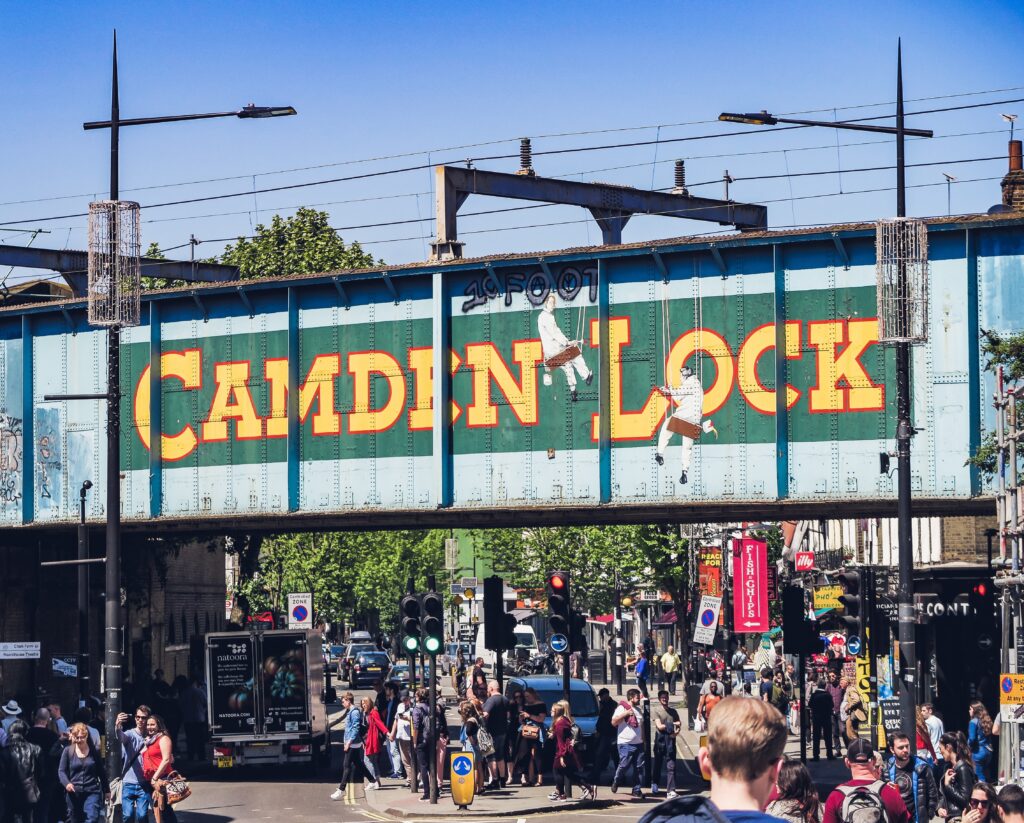
Is Camden Market a hidden gem?
It is a popular established attraction rather than a lesser-known site.
Can I combine these places in a day?
Choose nearby locations and allow time for travel and opening arrangements.