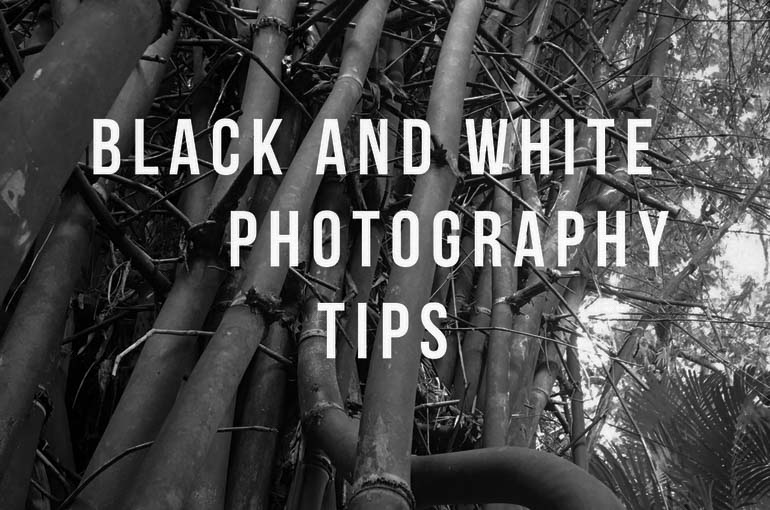
Learn four practical monochrome photography techniques: RAW capture, composition, lighting, and dodging and burning.
1. Shoot in RAW when available
RAW files generally retain more sensor information and editing flexibility than in-camera JPEGs. Some RAW formats use lossless or lossy compression, so RAW does not automatically mean uncompressed. If your camera offers a monochrome preview, RAW capture may still retain colour information for later conversion. Check your camera settings and available storage.
2. Look for composition, form and texture
Without colour, the relationship between light and dark areas becomes particularly noticeable. Look for patterns, leading lines, shapes and contrasting surfaces. Try photographing textured stone, leaves or architecture from different angles. A simple composition can help the subject stand out.
3. Pay close attention to lighting
Lighting is central to monochrome photography. Side lighting can reveal surface texture, while soft, diffuse light may suit portraits. Backlighting can create silhouettes. Check the histogram and highlight warnings where available; experiment with exposure to preserve detail appropriate to the image.
4. Dodge and burn selectively
Dodging lightens an area; burning darkens it. These techniques originated in darkroom printing and are also available in digital editing software. Use subtle local adjustments to direct attention or enhance form without creating distracting halos. Compare the edit with the original before exporting.
Original contributor: TARSHA LION. Follow on Instagram.
Frequently asked questions
Do I need a dedicated monochrome camera?
No. Most digital cameras and phones can produce black and white images.
Is RAW always uncompressed?
No. RAW files may use different compression methods.
What subjects work well in monochrome?
Subjects with interesting shapes, textures and tonal contrasts are useful starting points.
Is lighting less important without colour?
No. Lighting is fundamental to tonal contrast and texture.
What is dodging and burning?
Selective lightening and darkening of areas of an image.